H.M. Walker
from West Middlebury, Ohio, USA

from West Middlebury, Ohio, USA
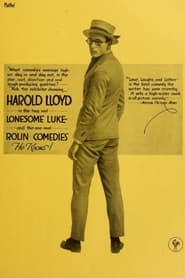
WALKER, H.M. (Harley Marquis Walker) started as a telegrapher, tapping out the descriptions of sportswriters at boxing matches and sending them to the offices of their newspapers. In 1903 he became a sportswriter himself and wrote a column, “The Wisdom of Blinkey Ben,” for the Los Angeles Examiner before joining Roach in 1917 as a part-time scenario and title writer for Harold Lloyd. In 1920, he left newspaper work and joined Roach full time as head of the editorial department. A brilliant title writer in the silent era, Walker was less skilled at dialogue; he was credited for providing these elements on more than 350 Roach comedies. He usually came up with the title for each film and also wrote fairly severe critiques after each preview. After leaving Roach in 1932 he wrote dialogue for some features, including Son of a Sailor (1933) with Joe E. Brown, W.C. Fields’ The Old Fashioned Way (1934), and the ZaSu Pitts picture Affair of Susan (1935). Walker died in the home of his good friend Leroy Shield, who had written scores at the Roach lot in 1930 and ’31. Died June 23, 1937, Chicago, Illinois, age 58; of a heart attack.
From Wikipedia, the free encyclopedia
Harley M. "Beanie" Walker (June 27, 1878 – June 23, 1937) was a member of the Hal Roach movie production company from 1916 until his resignation in 1932. The title cards he wrote for Harold Lloyd, Charley Chase, Our Gang and Laurel and Hardy comedies "have entered legend, both for silent films, and as opening remarks for the earlier talkies." He was also an officer of the Roach Studio corporation.
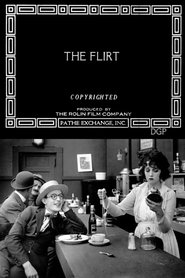
On Roach's "Lot of Fun", script development usually started with meetings among the gag men, who would develop what was known as an "action script": the outline of the story and a description of the scenes and some of the sight gags, which generally would run three to six legal-size pages. This document would then pass to Walker, the head of the editorial department, which oversaw not only script editing, but film editing as well. Walker usually came up with the title of each film, wrote "brilliantly witty" title cards which would be produced and inserted into the film, and wrote a critique before the picture went out to the distributors, Pathé Exchange, or later, M-G-M.
Walker's writing did not transition well to talkies and by 1931 he had left Roach studio and wrote dialogue for comedies produced by ex-Roach general manager Warren Doane at Universal Pictures. Later, he worked at Paramount Pictures, where he contributed to the W. C. Fields picture The Old Fashioned Way (1934).
Writer
Writer
Additional Dialogue
Writer

Screenplay
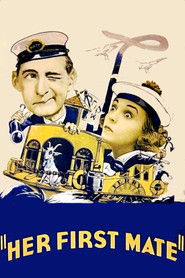
Screenplay
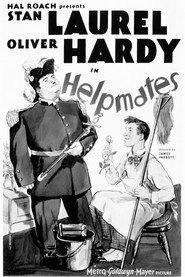
Dialogue
Writer
Writer

Writer
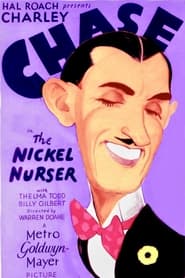
Writer
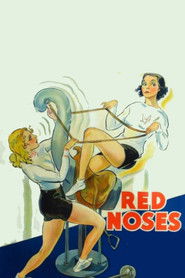
Dialogue
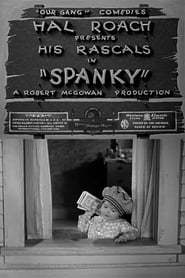
Writer
You're Telling Me
Dialogue
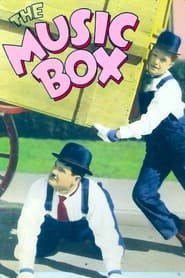
Writer
Writer
Writer
Writer
Writer
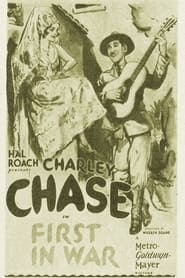
Dialogue
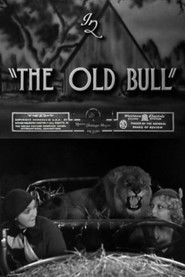
Dialogue
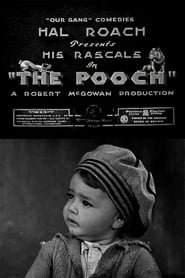
Writer
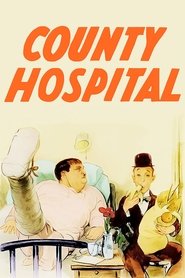
Writer
Writer
Dialogue
Dialogue
Writer
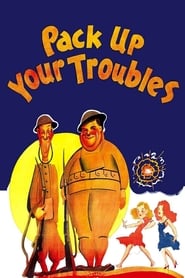
Writer
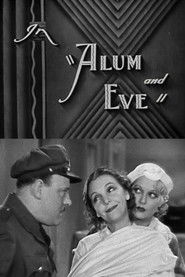
Dialogue
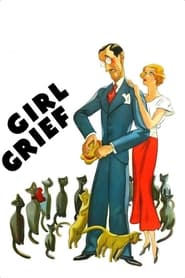
Dialogue
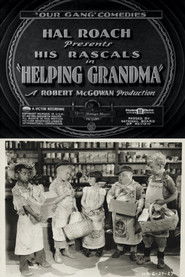
Writer
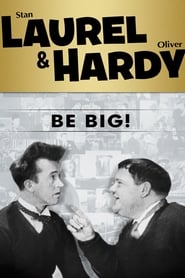
Writer
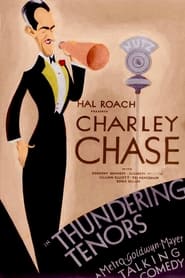
Dialogue
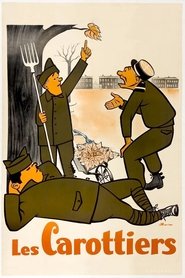
Writer
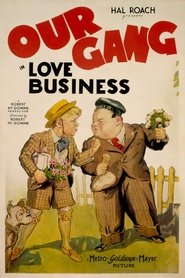
Writer
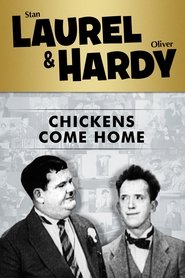
Dialogue
The soul of the party
Dialogue
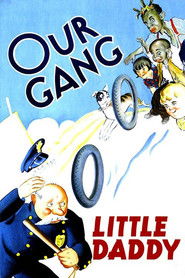
Writer
Messing Around
Writer
Dialogue

Writer
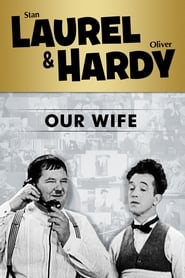
Dialogue
Writer
Dialogue
Dialogue
Dialogue
Dialogue

Dialogue
Dialogue
Dialogue
Dialogue
Writer
Dialogue
Dialogue
Dialogue
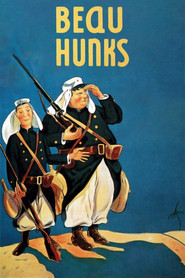
Writer
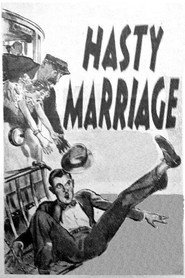
Dialogue
Writer
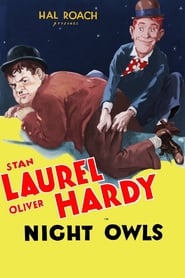
Writer
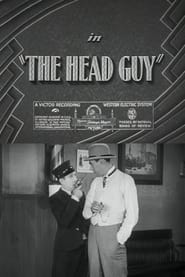
Writer
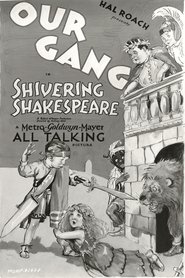
Story Editor
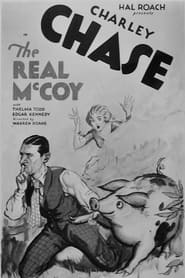
Story Editor
Writer
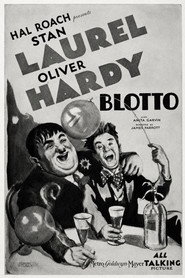
Dialogue
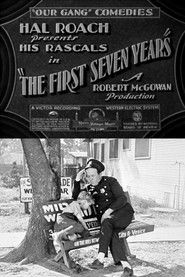
Story Editor
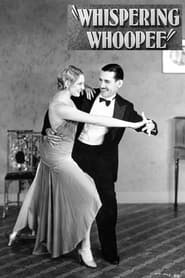
Dialogue
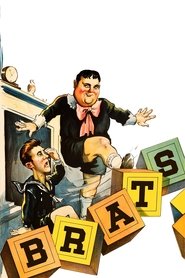
Dialogue
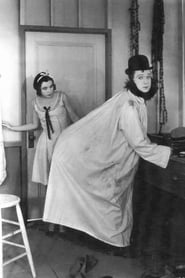
Writer
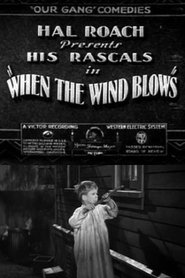
Story Editor
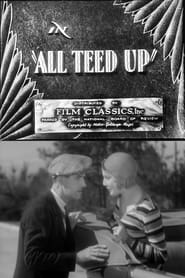
Dialogue
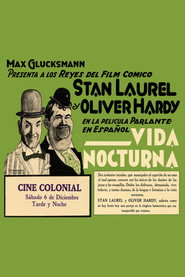
Writer
The golf player
Writer
The golfer
Writer
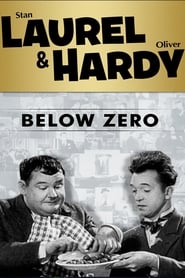
Dialogue
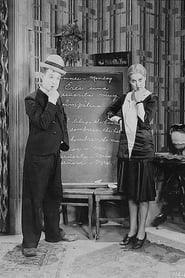
Writer
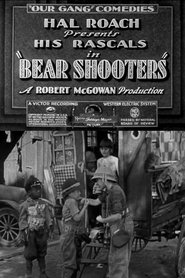
Story Editor
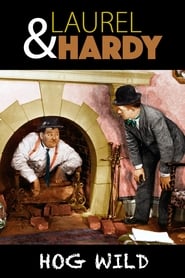
Writer
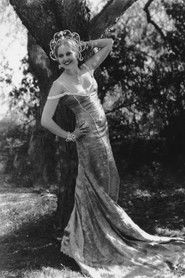
Writer
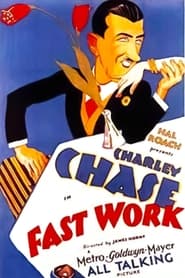
Dialogue
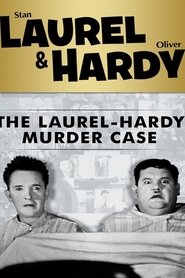
Writer
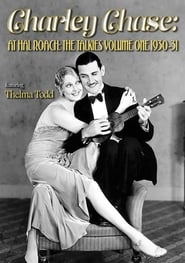
Writer
Follies of love
Writer
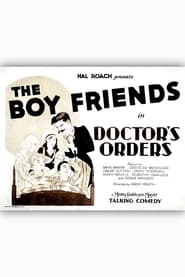
Writer
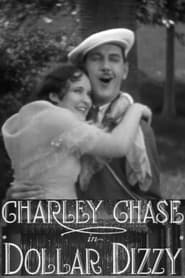
Story
The prince of the dollar
Story
Gold Diggers
Story
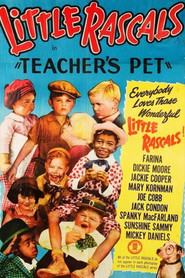
Dialogue
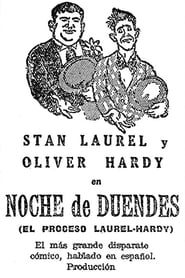
Dialogue
Los cazadores de osos
Writer
Writer
Dialogue
Dialogue
Temps d'Hiver
Writer
Dialogue
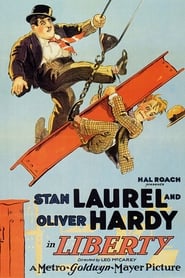
Writer
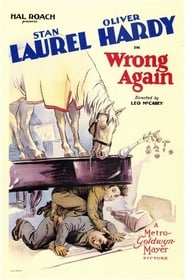
Writer
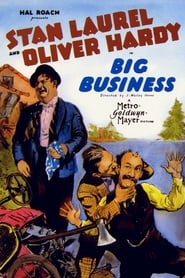
Writer
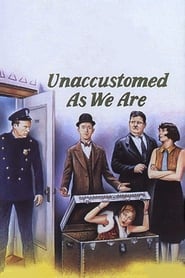
Dialogue
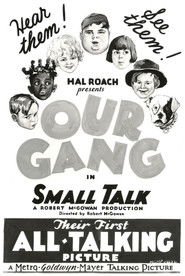
Dialogue
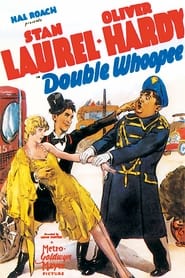
Writer
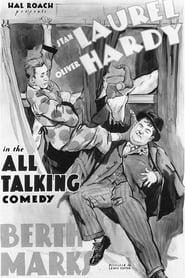
Title Designer

Writer
Writer
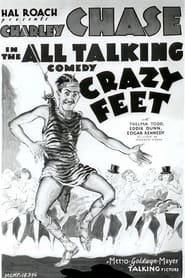
Scenario Writer
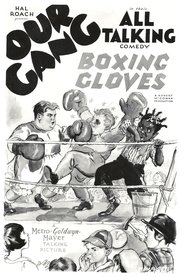
Dialogue
Writer
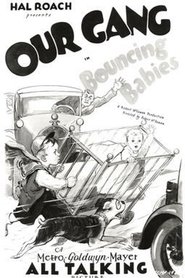
Story Editor
Story
Story Editor
Other
Writer
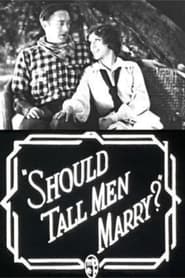
Title Graphics

Writer
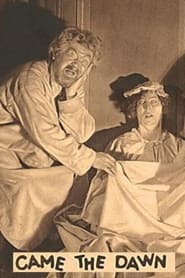
Writer
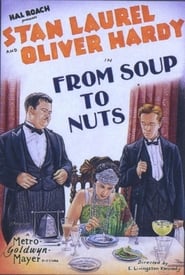
Writer
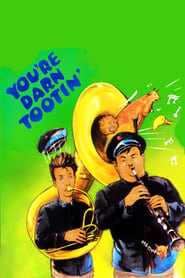
Writer
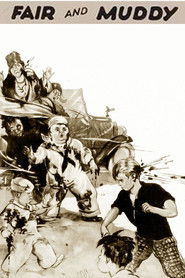
Title Designer

Writer
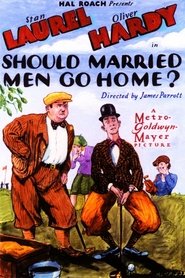
Writer
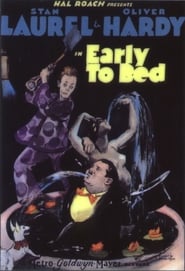
Writer
Writer
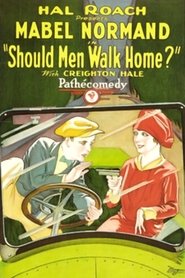
Writer
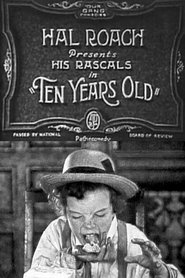
Title Designer
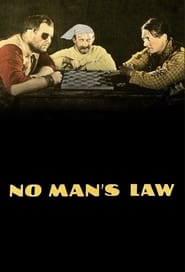
Title Designer
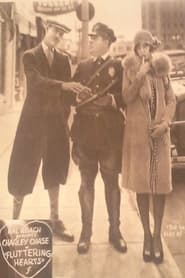
Writer

Writer
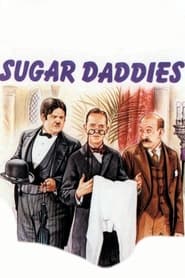
Writer

Writer
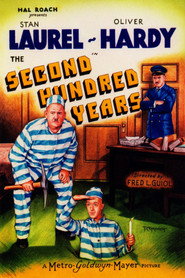
Title Graphics
Title Designer
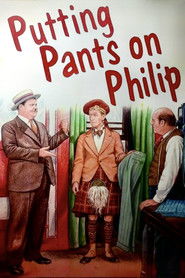
Writer
Fighting Fathers
Writer
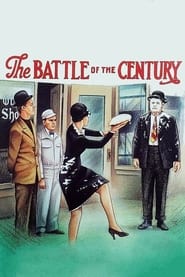
Title Designer
Writer
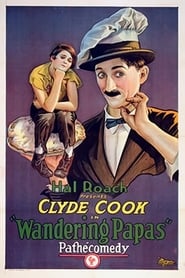
Title Designer
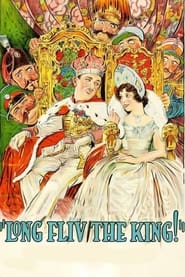
Writer
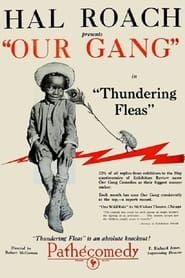
Title Designer
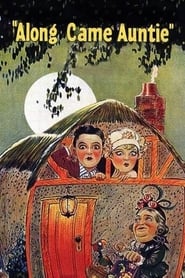
Title Designer
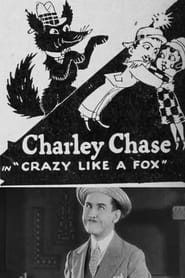
Title Designer
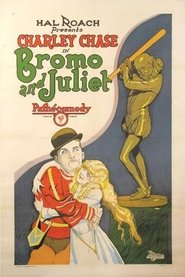
Title Designer
Title Graphics
Writer
Writer
Writer
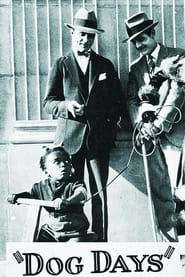
Title Graphics
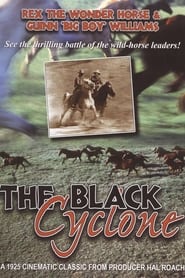
Writer
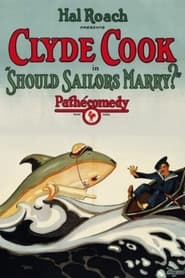
Title Designer
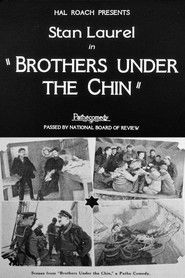
Writer
Writer
A Truthful Liar
Writer
Writer
Writer

Writer
Title Graphics
Writer
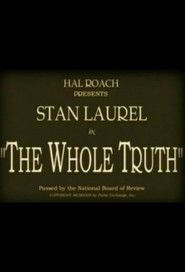
Writer

Title Graphics
Writer
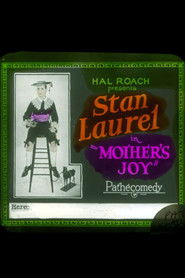
Writer
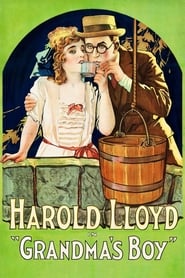
Writer
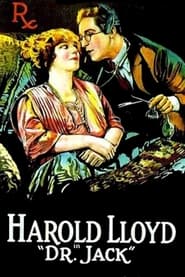
Title Designer

Writer
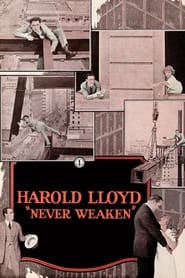
Writer

Writer
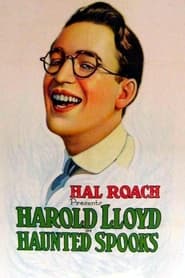
Writer
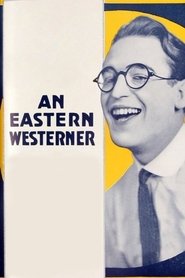
Writer
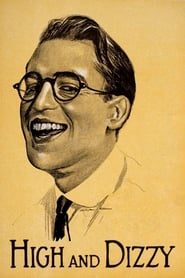
Writer
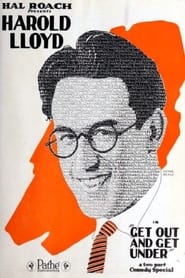
Writer
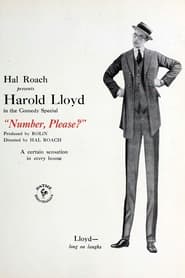
Writer
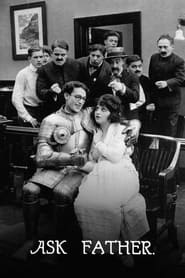
Writer
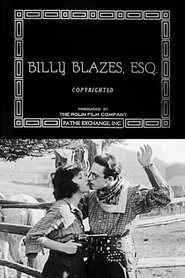
Writer
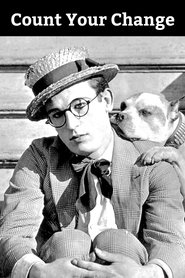
Title Graphics
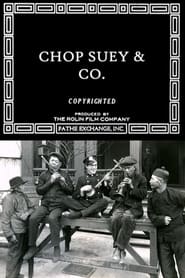
Writer

Dialogue
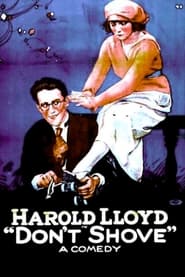
Title Graphics
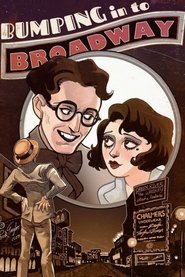
Writer
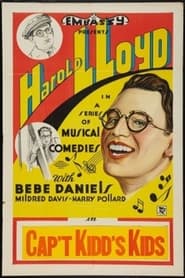
Title Graphics
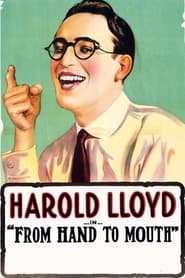
Title Graphics
The Tip
Dialogue
Dialogue
Writer
Dialogue
Writer
Writer
Writer
Writer
Writer
Writer
Writer
Writer
Writer
Writer
Writer
Writer