Hiroshi Inagaki
from Tokyo, Tokyo, Japan


from Tokyo, Tokyo, Japan
From Wikipedia, the free encyclopedia
Hiroshi Inagaki (稲垣 浩 Inagaki Hiroshi, 30 December 1905 – 21 May 1980) was a Japanese filmmaker most known for the Academy Award-winning Samurai I: Musashi Miyamoto, which he directed in 1954.
Born in Tokyo as the son of a shinpa actor, Inagaki appeared on stage in his childhood before joining the Nikkatsu studio as an actor in 1922. Wishing to become a director, he joined Chiezō Kataoka's Chiezō Productions and made his directorial debut in 1928 with Tenka taiheiki. Returning to Nikkatsu, he continued making jidaigeki and participated in the Naritaki Group of young filmmakers such as Sadao Yamanaka and Fuji Yahiro who collaboratively wrote screenplays under the made up name "Kinpachi Kajiwara". Like others in the group, Inagaki was known for his cheerful and intelligent samurai films. Inagaki later moved to Daiei and then Toho, where he made big budget color spectacles as well as delicate works depicting the feelings of children. He also produced many films and wrote the scripts for dozens of others.
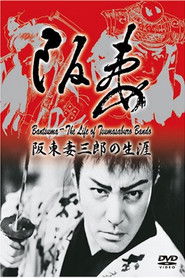
Self

Screenplay
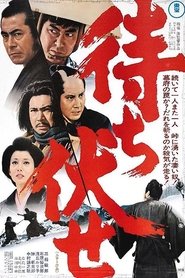
Director
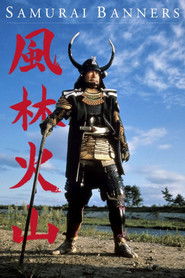
Producer
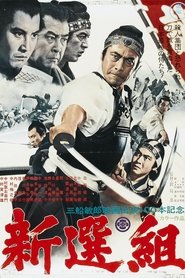
Producer

Director

Screenplay
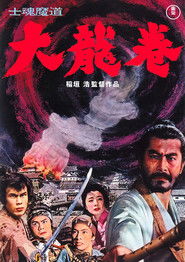
Screenplay

Screenplay

Director

Director

Producer

Screenplay
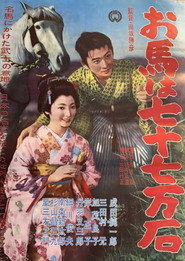
Original Film Writer

Producer

Screenplay

Director
Writer
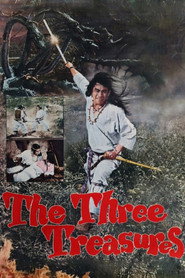
Director

Director
Screenplay

Screenplay
Screenplay

Director
Writer

Writer
Producer
Screenplay

Screenplay
Writer

Screenplay
Screenplay
(Unknown)
Aru yoru no dekigoto
Screenplay

Screenplay

Writer

Screenplay

Screenplay

Director

Writer

Screenplay

Director

Director

Director

Producer

Director
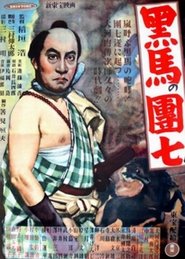
Director

Director

Screenplay

Screenplay

Director

Screenplay

Screenplay
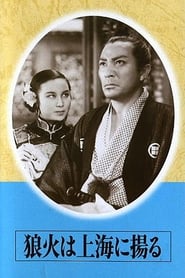
Director
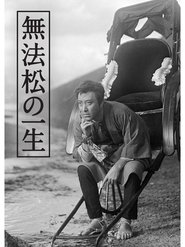
Director
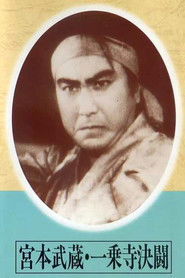
Screenplay

Screenplay
Festival Across the Sea
Director
Writer
Screenplay
Writer
Director
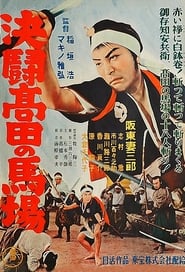
Director
Great Bodhisattva Pass 2
Screenplay
Screenplay
Kunisada Chûji: Tabi to kokyô no maki
Screenplay
Kunisada Chuji: Ruro ruten no maki
Screenplay
Kunisada Chuji: Hareru Akagi no maki
Director
Yataro's Hat - Comings and Goings
Screenplay

Writer
Ippon-gatana dohyo iri
Writer
Tenka taiheiki
Director

Director